We begin by giving everyone the benefit of the doubt.Our starting assumption is that people and institutions generally believe they are doing the right thing. Most advocates sincerely believe their position will lead to a better outcome.
At the same time, people can be influenced by incentives, responsibilities, experiences, and competing interests—sometimes consciously and sometimes unconsciously. The possibilities below are not accusations or conclusions. They are questions worth considering and testing against evidence.
BENEFIT OF THE DOUBT
Charitable Motivations
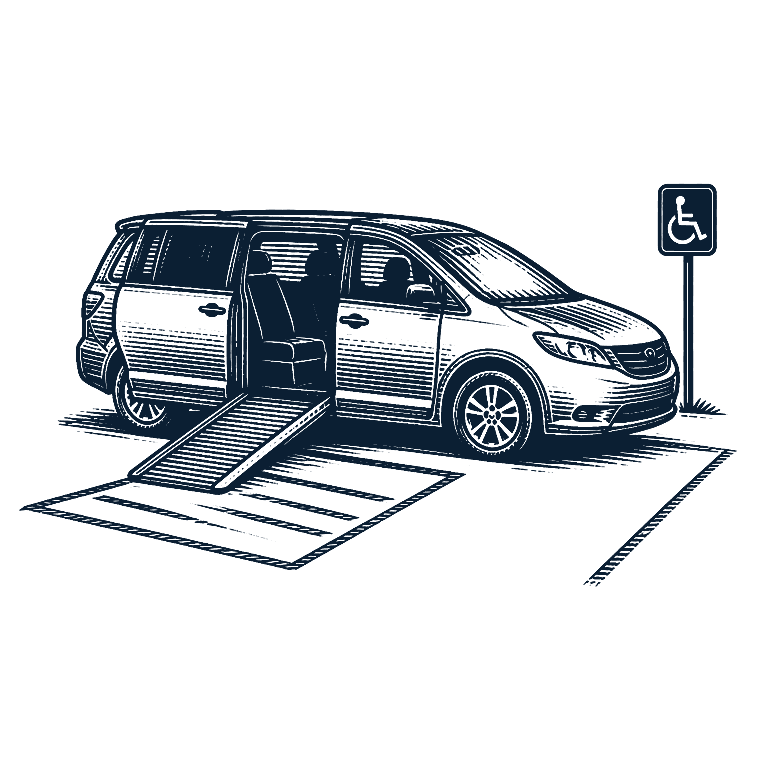
- Preserve physical accessExample: The wheelchair user may sincerely want the minimum clearance needed to deploy a ramp or lift and leave the vehicle safely.
- Respect invisible disabilitiesExample: City officials may want to protect people whose heart, lung, neurological, pain, balance, or other conditions are not apparent to observers.
- Make scarce spaces serve their purposeExample: Supporters of a distinction may believe specialized spaces should reach the people who need their specialized design.
- Avoid intrusive medical rankingExample: Opponents may genuinely worry that two permits would force people to disclose diagnoses or prove that one disability is more deserving than another.
- Keep the system understandableExample: Officials may believe simple signs and one familiar permit reduce mistakes and make compliance easier for drivers and businesses.
POSSIBILITIES, NOT CLAIMS
Potential Hidden Agendas
- Convenience seekingExample: A driver may use the closest or widest space because it is easier, even when another accessible space would meet the driver’s needs.
- Permit sharing or fraudExample: A placard may be borrowed, retained after eligibility ends, or used when the qualifying person is not present.
- Administrative convenienceExample: The city may prefer one category because it is cheaper and easier to manage, even if it allocates specialized spaces poorly.
- Political risk avoidanceExample: Officials may avoid changing the system because any distinction among disabilities could attract criticism or legal challenge.
- Personal certaintyExample: Observers may overestimate their ability to identify who is legitimately disabled, while permit holders may overestimate their claim to whichever accessible space is most convenient.
THE REFEREE’S OBSERVATION
More than one motivation can be true.
Someone can sincerely believe they are doing the right thing while also benefiting personally or institutionally if their preferred outcome succeeds. These explanations are not mutually exclusive. Look for evidence before assigning a motive.
Questions the Referee would ask
- What evidence supports the charitable explanation?
- What evidence supports an incentive-based explanation?
- Could both explanations be true at the same time?
- Would this person likely take the same position without a personal benefit?
- What evidence would change my mind?
Reasoning Referee is not here to influence how you think. It is here to improve the quality of your thinking.
Rather than advocating for one viewpoint, it encourages intellectual curiosity, fairness, and critical evaluation—so the conclusion you reach is genuinely your own.
Good reasoning doesn’t guarantee the right answer—but it dramatically improves your chances of finding one.